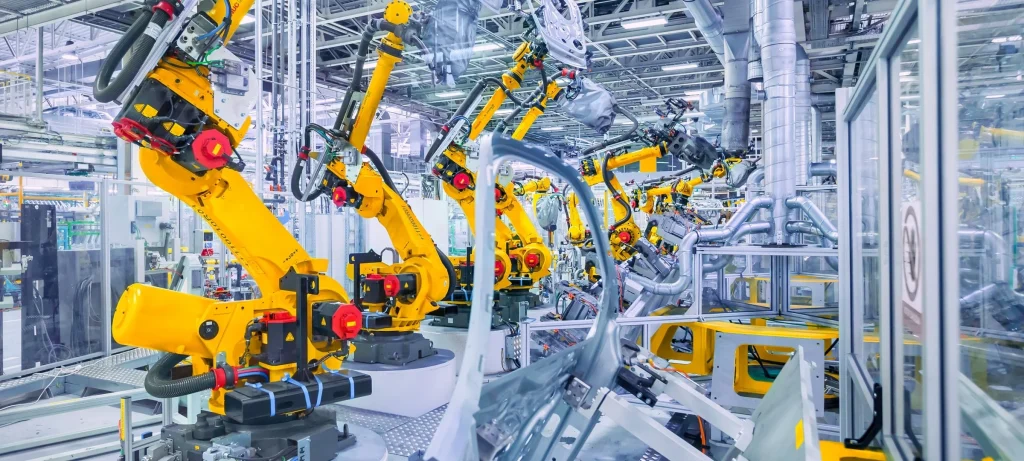
If you are comparing these two majors, the simplest answer is this: mechanical engineering is broader, while mechatronics engineering is more integrated and automation-focused. Mechanical engineering is built around machines, motion, forces, thermal systems, and product design. Mechatronics engineering takes some of that mechanical foundation and combines it with electronics, control systems, and computing to create intelligent systems.
This is why the two majors often attract the same student at first. If you like robotics, machines, design, and real-world engineering, both can sound appealing. The difference appears when you look more closely at what kinds of systems you want to build.
For example, one student may enjoy engines, thermal systems, manufacturing, and large mechanical products. Another may be more excited by robots, smart devices, sensors, and automated production lines. Both are engineering-minded, but they are not imagining the same future.
Quick Comparison Table, Mechatronics vs Mechanical Engineering
| Area | Mechatronics Engineering | Mechanical Engineering |
|---|---|---|
| Main focus | Intelligent systems that combine mechanics, electronics, control, and software | Machines, motion, energy, thermal systems, manufacturing, and broad mechanical design |
| Degree style | Interdisciplinary and systems-integration oriented | Broad foundational engineering discipline |
| Common topics | Sensors, actuators, embedded systems, control systems, robotics, automation | Mechanics, thermodynamics, fluid mechanics, materials, manufacturing, machine design |
| Best known for | Robotics, automation, smart machines, integrated systems | Product design, mechanical systems, energy systems, manufacturing, broad engineering versatility |
| Career direction | Automation, robotics, controls, embedded systems, smart manufacturing | Design engineering, manufacturing, thermal systems, product development, R&D |
| Best for students who | Want hardware plus electronics and control logic in one field | Want a wider engineering base with many industry options |
| Important note | Often narrower than mechanical engineering, but closer to modern automation | Often broader, and can still lead into robotics or mechatronics-related work |
What Is Mechatronics Engineering?
The University of Washington describes mechatronics as the integration of mechanical, electrical, and computer technologies into the design of complex products. That definition is important because it shows that mechatronics is not just mechanical engineering with a new label. It is a field built around integration.
In mechatronics engineering, the goal is not only to design a machine that moves. The goal is to design a machine that can sense, respond, adapt, and operate intelligently through the interaction of mechanical parts, electronics, control systems, and computing. ASME also describes mechatronics as the meeting point of mechanical, electronic, control, and software engineering.
That is why mechatronics is strongly connected to robotics, automation, embedded systems, smart manufacturing, and advanced industrial systems. If you like the idea of making systems “think” as well as move, mechatronics will probably feel more natural.
What Is Mechanical Engineering?
Columbia University defines mechanical engineering as the study of objects and systems in motion. It explains that mechanical engineers take products from idea to marketplace by analyzing forces and thermal environments, designing for functionality and durability, and determining practical manufacturing approaches.
This is one of the broadest engineering disciplines. Mechanical engineering reaches into industries such as automotive, aerospace, energy, electronics, manufacturing, biotechnology, and robotics. The U.S. Bureau of Labor Statistics says mechanical engineers design, develop, build, and test mechanical and thermal sensors and devices.
So when students ask whether mechanical engineering is broad, the answer is yes. It is often a strong choice if you want flexibility and do not want to specialize too early.
The Main Difference Between Mechatronics Engineering and Mechanical Engineering
The main difference between mechatronics engineering and mechanical engineering is integration versus breadth.
Mechanical engineering gives you a broad base in physical systems, design, manufacturing, mechanics, and thermal science. Mechatronics engineering focuses more directly on systems that combine mechanics with electronics, control, and computation.
A simple way to think about it is this. A mechanical engineer may design the structure, movement, forces, and manufacturability of a machine. A mechatronics engineer may work on a system where that machine must also sense conditions, process data, respond automatically, and integrate software-based logic.
That does not mean mechanical engineering is old-fashioned and mechatronics is modern. That is a misleading comparison. Mechanical engineering is still central to modern industries. It is just broader. Mechatronics is more specialized toward intelligent and automated systems.
What Will You Study in Each Major?
Students in both majors usually begin with mathematics, physics, engineering fundamentals, and technical design work. Both require problem-solving, systems thinking, and hands-on engineering practice.
The difference usually appears in emphasis and course balance.
| Curriculum area | More common emphasis in Mechatronics Engineering | More common emphasis in Mechanical Engineering |
|---|---|---|
| Mechanical design | Strong | Strong |
| Electronics and circuits | Stronger | Usually lighter |
| Sensors and actuators | Stronger | Moderate |
| Control systems | Stronger | Present, but often less central |
| Programming and embedded systems | Stronger | Usually lighter or elective-based |
| Thermodynamics and heat transfer | Present | Stronger |
| Fluid mechanics | Present | Stronger |
| Manufacturing and machine design | Present | Strong |
| Robotics and automation | Stronger | Possible, often via electives or projects |
Taylor’s University describes mechanical engineering as covering design, analysis, manufacturing, and maintenance of mechanical systems, while it describes mechatronics engineering as an interdisciplinary field focused on intelligent systems, sensors, actuators, control systems, and microprocessors. This is a useful practical distinction for students trying to imagine day-to-day study.
In short, if you study mechatronics, you will likely spend more time connecting hardware, electronics, and control logic. If you study mechanical engineering, you will likely spend more time on broad physical engineering foundations that can later branch into many areas.
Which Major Has More Electronics, Automation, and Design?
If your main interest is electronics, automation, robotics, and smart systems, mechatronics engineering usually has the advantage. Its structure is built around integrating these areas directly.
If your main interest is mechanical design, machines, product development, thermal systems, and manufacturing, mechanical engineering is usually the stronger fit.
Design exists in both majors, but the kind of design can feel different.
| Design question | Mechatronics Engineering | Mechanical Engineering |
|---|---|---|
| How do I make this system sense and react? | Central question | Less central |
| How do I make this machine mechanically strong and functional? | Important | Central question |
| How do electronics and software interact with movement? | Central question | Sometimes elective or applied topic |
| How do I optimize forces, materials, and heat? | Important | Often more central |
A student who enjoys both CAD and coding may find mechatronics especially satisfying. A student who loves physical mechanisms, engines, manufacturing systems, and traditional engineering analysis may feel more at home in mechanical engineering.
Career Paths and Industry Roles
The U.S. Bureau of Labor Statistics notes that mechanical engineers work in engineering services, research and development, and manufacturing. That already tells you something important about the field, it is broad and widely employable.
Mechatronics career paths are often linked to integrated systems such as robotics, automation, controls, smart manufacturing, and systems integration. ASME’s description of mechatronics supports this by emphasizing the combination of mechanical, electronic, control, and software engineering in complex modern systems.
| Career area | More common entry point from Mechatronics Engineering | More common entry point from Mechanical Engineering |
|---|---|---|
| Robotics and automation | Strong fit | Possible, especially with electives |
| Embedded control systems | Strong fit | Possible, but less direct |
| Smart manufacturing | Strong fit | Strong fit |
| Product design | Possible | Strong fit |
| Thermal systems and HVAC-related pathways | Less common | Strong fit |
| Mechanical design engineering | Possible | Strong fit |
| Systems integration | Strong fit | Possible |
| Manufacturing engineering | Strong fit | Strong fit |
| R&D across general mechanical industries | Possible | Strong fit |
A useful real-world point is this: many mechanical engineering graduates still enter robotics and automation, especially if they choose the right electives, internships, or postgraduate specialization. So if you choose mechanical engineering, you are not closing the door on mechatronics-related work. You are simply choosing a broader base first.
Which Major Is Better for You?
This depends on how early you want to specialize.
Choose mechatronics engineering if you already feel strongly drawn to robotics, automation, smart systems, control engineering, and the integration of hardware with electronics and computing.
Choose mechanical engineering if you want a broader engineering platform, if you are still exploring different industries, or if you want strong foundations in machines, thermodynamics, manufacturing, and mechanical design.
Here is a simple student-fit guide.
| If this sounds more like you… | You may prefer |
|---|---|
| I want to build robots, automated systems, and smart machines | Mechatronics Engineering |
| I want broader engineering flexibility across many industries | Mechanical Engineering |
| I enjoy sensors, control systems, and embedded logic | Mechatronics Engineering |
| I enjoy machines, movement, manufacturing, and physical design | Mechanical Engineering |
| I want a direct path into automation-heavy fields | Mechatronics Engineering |
| I want a strong base first, then maybe specialize later | Mechanical Engineering |
If you are the type of student who says, “I like robotics, but I am not sure whether I want to commit to it yet,” mechanical engineering may actually be the safer choice. If you already know that robotics and automation are your direction, mechatronics may feel more efficient and more aligned.
Studying These Majors in Turkey and Abroad
For international students, one of the biggest challenges is that program names do not always mean exactly the same thing in every country. Some universities offer Mechatronics Engineering as a full degree. Others place mechatronics as a track, concentration, or elective area inside Mechanical Engineering, Electrical Engineering, or Automation Engineering.
That means you should compare the curriculum, not just the title.
| What to compare | Why it matters |
|---|---|
| Core course list | Shows whether the program is broad or automation-focused |
| Electronics and programming content | Important for students aiming at robotics and controls |
| Lab facilities | Helpful for hands-on work in robotics, manufacturing, and prototyping |
| Industry partnerships | Important for internships and practical projects |
| Senior projects | Reveals whether the program is stronger in machines or intelligent systems |
| Accreditation and recognition | Useful for postgraduate plans and international mobility |
| Language of instruction | Important for international student success |
If you plan to study in Turkey, this comparison becomes especially practical. Some students assume that a newer or more specialized title is always better, but that is not necessarily true. In some cases, a strong mechanical engineering program with robotics electives may be a better academic investment than a narrower program with weaker labs or industry links.
You may also want to explore related StudySehir comparison articles such as What Is the Difference Between Software Engineering and Computer Engineering?, What Is the Difference Between Artificial Intelligence Engineering and Computer Engineering?, and What Is the Difference Between Architecture and Interior Design? if you are still narrowing down your direction within technical and design-related majors.
Common Mistakes Students Make
One common mistake is assuming that mechatronics engineering is simply a more advanced version of mechanical engineering. That is not accurate. It is a more integrated and specialized pathway, not automatically a better one.
Another mistake is assuming mechanical engineering is too general. In reality, its breadth is one of its biggest strengths. Many students value that flexibility later when they explore career options or postgraduate study.
A third mistake is choosing based on the word “robotics” alone. Some students are interested in robotics at a surface level, but what they actually enjoy is physical design, manufacturing, or product development. In that case, mechanical engineering may fit better.
Finally, students sometimes ignore the university’s real strengths. A strong mechanical engineering department with excellent automation labs may be a better choice than a weaker mechatronics program. The program quality matters at least as much as the title.
FAQ
Is mechatronics engineering better than mechanical engineering?
Not in a universal sense. Mechatronics engineering is better if you already want automation, robotics, control systems, and integrated smart devices. Mechanical engineering is better if you want broader flexibility across many engineering sectors.
Which major is broader, mechatronics or mechanical engineering?
Mechanical engineering is usually broader. It covers a wider range of physical systems, design contexts, thermal systems, and industries, while mechatronics is more specialized toward integrated intelligent systems.
Can a mechanical engineer work in robotics?
Yes. Many mechanical engineering graduates move into robotics, automation, and mechatronics-related roles through electives, internships, control systems training, or postgraduate study.
Does mechatronics engineering include programming?
Usually yes. Mechatronics commonly includes stronger emphasis on control systems, electronics, and computing than mechanical engineering does.
Which major is better for studying in Turkey?
That depends on the university. Instead of choosing by name only, compare course structure, labs, internship opportunities, and the strength of the engineering faculty. In some cases, the better choice may be the stronger department, not the more specialized title.
References
[1] Mechatronics option, University of Washington Department of Mechanical Engineering
[2] What is Mechanical Engineering?, Columbia University
[3] Know The Differences: Mechanical Engineering vs Mechatronics Engineering, Taylor’s University