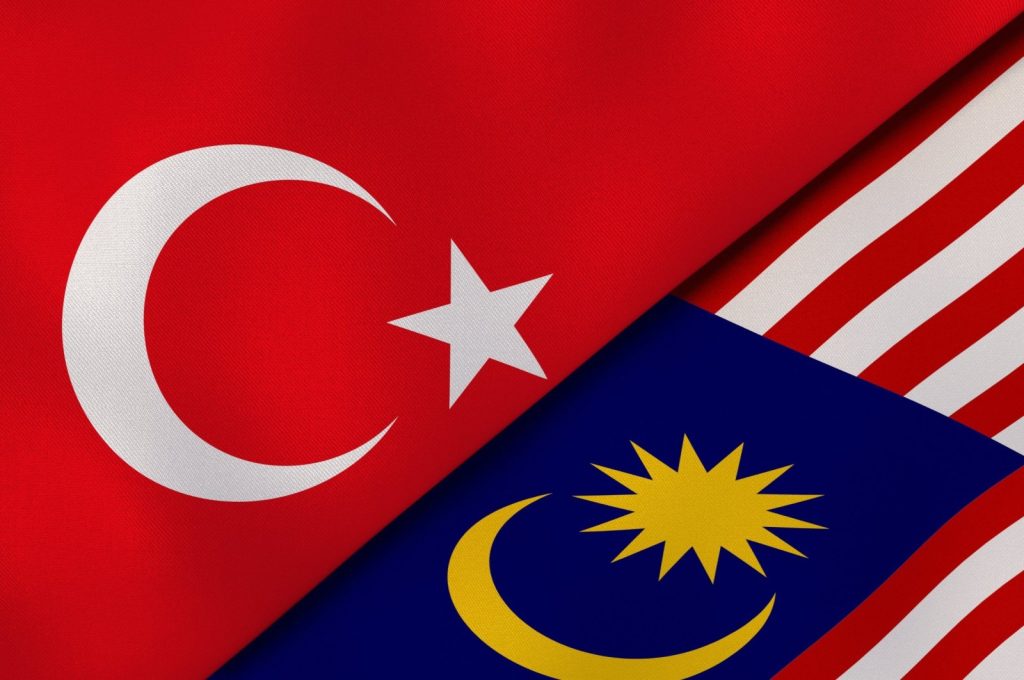
When African students look for high-quality, affordable alternatives to the US, UK, or Canada, two countries consistently top the list: Turkey and Malaysia.
Both countries offer world-class education, hundreds of English-taught programs, welcoming international communities, and living costs that are highly manageable. Because they share so many similarities, deciding between the two can be incredibly difficult .
In this 2026 guide, we provide an honest, detailed comparison of Turkey and Malaysia specifically tailored for African students, helping you make the best decision for your future.
1. Quality of Education and Global Recognition
Both countries offer excellent educational systems, but they excel in different areas.
- Turkey: Turkish universities follow the European Bologna Process, meaning degrees are strictly aligned with European standards. Turkey is globally renowned for its medical, dental, and engineering programs. If you want to study Medicine, Dentistry, or Pharmacy, Turkey is widely considered the superior choice due to its massive health tourism infrastructure and advanced clinical training facilities.
- Malaysia: Malaysia’s higher education system is heavily influenced by the UK and Australia. Many Malaysian universities offer “twinning programs” (e.g., 2+1 or 3+0), where you can study partly in Malaysia and partly in the UK or Australia, graduating with a degree from a Western university. Malaysia is highly respected for its Engineering, IT, and Business programs.
Winner: Tie (Turkey wins for Medical Sciences; Malaysia wins for Twinning Programs).
2. Tuition Fees and Affordability
Both countries are incredibly affordable compared to Western destinations, but the pricing structures differ slightly.
- Turkey: Private universities in Turkey are highly competitive with their pricing. African students can easily find English-taught Engineering or Business bachelor’s degrees for $2,000 to $5,000 per year (after agency discounts). Medical degrees are more expensive, ranging from $15,000 to $25,000 per year.
- Malaysia: Tuition in Malaysia is also very affordable, typically ranging from $3,500 to $7,000 per year for non-medical degrees. However, if you choose a UK/Australian branch campus (like Monash or Nottingham in Malaysia), the fees will be significantly higher ($8,000 to $12,000+ per year).
Winner: Turkey (Slightly cheaper for standard private universities).
3. Cost of Living
Your day-to-to day expenses will determine how comfortable your student life is.
- Turkey: Due to recent currency fluctuations, the cost of living in Turkey for foreign students holding USD or Euros is exceptionally low. An African student can live comfortably in Istanbul for $400 to $600 per month (covering rent, food, and transport). In smaller cities like Eskişehir, it can be as low as $300.
- Malaysia: Malaysia is also very affordable, particularly in Kuala Lumpur. A student can live comfortably on $450 to $650 per month. Accommodation in Malaysia (especially student condos) is often of very high quality for the price.
Winner: Tie (Both are incredibly affordable).
4. The Student Visa Process
For African students, the visa process is often the biggest hurdle to studying abroad.
- Turkey: The Turkish student visa process is straightforward. Once you have your university Acceptance Letter, you apply at the Turkish Embassy in your home country. You must show bank statements proving financial support. The process is generally smooth, though embassy wait times can vary.
- Malaysia: Malaysia has one of the easiest and most streamlined student visa processes in the world. The university applies for your Visa Approval Letter (VAL) through the EMGS (Education Malaysia Global Services) system on your behalf. Once approved, you simply travel to Malaysia and complete the process there. You rarely need to visit an embassy or show massive bank statements.
Winner: Malaysia (The EMGS system is incredibly efficient).
5. Culture, Safety, and Environment
Both countries are Muslim-majority, meaning halal food is everywhere and the environments are generally conservative but highly tolerant of international cultures.
- Turkey: Geographically and culturally, Turkey is a bridge between Europe and the Middle East. It experiences four distinct seasons (including snow in winter). The culture is Mediterranean/European, and cities like Istanbul are massive, historic, and fast-paced. While English is the language of your university program, you will need to learn basic Turkish to navigate daily life outside the campus.
- Malaysia: Malaysia is a tropical Southeast Asian country (hot and humid year-round). It is incredibly multicultural (Malay, Chinese, Indian). The biggest advantage for African students is that English is widely spoken everywhere. You can live in Malaysia for years without ever needing to learn the local language (Bahasa Melayu).
Winner: Malaysia (for the ease of English); Turkey (for the European lifestyle and weather variety).
Summary: Which Should You Choose?
Choose Turkey if:
- You want to study Medicine, Dentistry, or Pharmacy.
- You are looking for the absolute lowest tuition fees for Engineering or Business.
- You want a European lifestyle, culture, and weather.
- You want a degree that complies with the European Bologna Process.
Choose Malaysia if:
- You want a UK or Australian degree through a “twinning program” or branch campus.
- You want to live in a country where English is spoken everywhere on the streets.
- You want the easiest possible student visa process (EMGS).
- You prefer a tropical, Southeast Asian climate.
Need Help Deciding?
At StudySehir, we specialize in helping African students navigate their study abroad options. If you are leaning toward Turkey, we can evaluate your transcripts, secure massive tuition discounts, and handle your entire admission process for free.