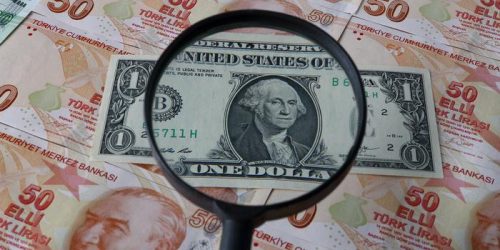
One of the most attractive aspects of studying in Turkey is its affordability. Compared to popular study destinations in North America or Western Europe, Turkey offers an exceptionally high quality of life at a fraction of the cost. For African students managing exchange rates and international transfer fees, this affordability is a major advantage.
However, “affordable” means different things to different people. Your actual monthly expenses will depend heavily on three main factors: the city you choose to live in, your accommodation preferences (dormitory vs. private apartment), and your personal lifestyle.
In this 2026 guide, we provide a realistic, itemized breakdown of the cost of living in Turkey specifically tailored for African students. Whether you are on a tight budget or looking for a more comfortable lifestyle, this guide will help you and your parents plan your finances accurately before you arrive.
Average Monthly Budget: The Quick Summary
To give you an immediate idea, here are the estimated monthly budgets for an international student in Turkey as of 2026 :
- Low Budget (Frugal Lifestyle): $400 – $600 per month
- Moderate Budget (Comfortable Lifestyle): $600 – $1,000 per month
- High Budget (Premium Lifestyle): $1,000+ per month
Note: These figures do not include your university tuition fees. They cover housing, food, transportation, utilities, and basic personal expenses.
1. Accommodation Costs: Dorms vs. Apartments
Housing will be your single largest monthly expense. You have two primary options: university dormitories or renting a private apartment.
University Dormitories (Yurt)
Dormitories are the safest and most budget-friendly option, especially for your first year. They also offer a great way to integrate into the student community.
- State Dormitories (KYK): Run by the government, these are incredibly cheap (around $50 to $100 per month). However, they are highly competitive to get into, prioritize Turkish citizens, and have strict curfews.
- Private and University Dormitories: Most African students opt for these. They cost between $150 and $400 per month, depending on the city and the number of students sharing the room . These dorms usually include high-speed internet, laundry facilities, security, and sometimes daily meals.
Renting a Private Apartment
If you prefer independence or want to cook your own traditional meals, renting an apartment is the way to go. Many African students share an apartment with 2 or 3 flatmates from their home country to split the costs.
- Istanbul: Renting a 2-bedroom apartment in student-friendly neighborhoods (like Fatih, Avcılar, or Kadıköy) costs between $500 and $900 per month. If shared between three students, your individual rent will be around $170 to $300 per month.
- Ankara & Izmir: Rents are significantly lower. A similar apartment will cost $350 to $600 per month.
- Smaller Cities (Eskişehir, Karabük): You can find excellent apartments for $250 to $400 per month.
Important Note on Renting: When renting an apartment, you must factor in a security deposit (usually one month’s rent) and a real estate agent fee (emlakçı komisyonu), which is typically equal to one month’s rent.
(Internal Link Suggestion: Read our dedicated guide on [Accommodation in Turkey: Dorms vs. Renting an Apartment] for more details.)
2. Food and Groceries
Turkey is famous for its incredible food, and eating well on a budget is very achievable. For African students missing home, major cities like Istanbul have African markets where you can find traditional ingredients, though imported goods will cost more than local produce.
Eating on Campus
University cafeterias (yemekhane) are heavily subsidized. A nutritious, multi-course lunch or dinner on campus typically costs between $1 and $3. Many students eat their main meal here to save money.
Grocery Shopping
If you rent an apartment and cook your own meals, your monthly grocery bill will average $100 to $150. Turkey has excellent local markets (pazar) where you can buy fresh, cheap produce. Discount supermarket chains like BİM, A101, and ŞOK are everywhere and offer very affordable household staples.
Eating Out
- Street food (Simit, Döner, Lahmacun): $2 – $4
- Meal at an inexpensive local restaurant (Lokanta): $5 – $8
- Fast food combo meal (McDonald’s/Burger King): $6 – $9
- Coffee at a cafe: $2 – $4
3. Transportation Costs
Public transportation in Turkey is modern, extensive, and incredibly cheap for students.
Once you are registered at a university, you are eligible for a discounted Student Transport Card (such as the Istanbulkart). This card gives you massive discounts (often up to 50% off the regular fare) on metros, buses, trams, and ferries.
- Monthly Student Pass (Istanbul): Approximately $10 to $15 per month for unlimited or high-limit rides.
- Single Journey (Student Fare): Around $0.30 to $0.50.
- Taxi (Short Trip): $4 – $8 (Taxis are relatively expensive; stick to public transport).
Overall, you should only need to budget about $15 to $30 per month for transportation.
4. Utilities and Internet
If you live in a dormitory, utilities are included in your monthly fee. If you rent a private apartment, you and your flatmates must pay these bills separately.
- Electricity, Water, and Garbage: $40 – $70 per month (total for the apartment).
- Heating (Natural Gas): This fluctuates wildly. In summer, it is almost zero. In the cold winter months (December to February), heating a shared apartment can cost $80 to $150 per month.
- Home Internet (Fiber/ADSL): $15 – $25 per month.
- Mobile Phone Plan (Prepaid 20GB Data): $10 – $15 per month.
5. Health Insurance and Residence Permit
These are mandatory legal expenses that you must account for during your first month in Turkey.
- Health Insurance (Sigorta): To get your residence permit, you must have health insurance. Private health insurance for students costs between $50 and $100 per year.
- Student Residence Permit (İkamet): The application fee and card fee combined cost approximately $40 to $60, paid annually.
(Internal Link Suggestion: Need help with legal documents? Read our [Turkey Student Visa Guide for African Citizens].)
Cost Comparison: Istanbul vs. Other Cities
Istanbul is the cultural and economic heart of Turkey, but it is also the most expensive city. If you are on a strict budget, consider universities in other cities.
| City | Average Monthly Budget | Lifestyle Vibe |
|---|---|---|
| Istanbul | $500 – $800 | Fast-paced, massive international community, higher rents |
| Ankara | $400 – $600 | Capital city, quieter, very academic, cheaper housing |
| Izmir | $400 – $600 | Coastal, relaxed Mediterranean vibe, affordable |
| Eskişehir | $350 – $500 | Famous “Student City,” walkable, very cheap |
Can African Students Work in Turkey?
Many students hope to offset their living costs by working. Here are the legal rules:
- Undergraduate Students: You are legally allowed to work part-time (up to 24 hours a week) only after you have completed your first year of study.
- Graduate Students (Master’s/PhD): You can work immediately.
In all cases, your employer must apply for a work permit on your behalf. Finding a formal job without speaking Turkish is very difficult. Most international students who work do so in informal sectors like tourism, language tutoring, or freelance online work. We strongly advise that you and your sponsors secure enough funding to cover your first year completely without relying on finding a job.