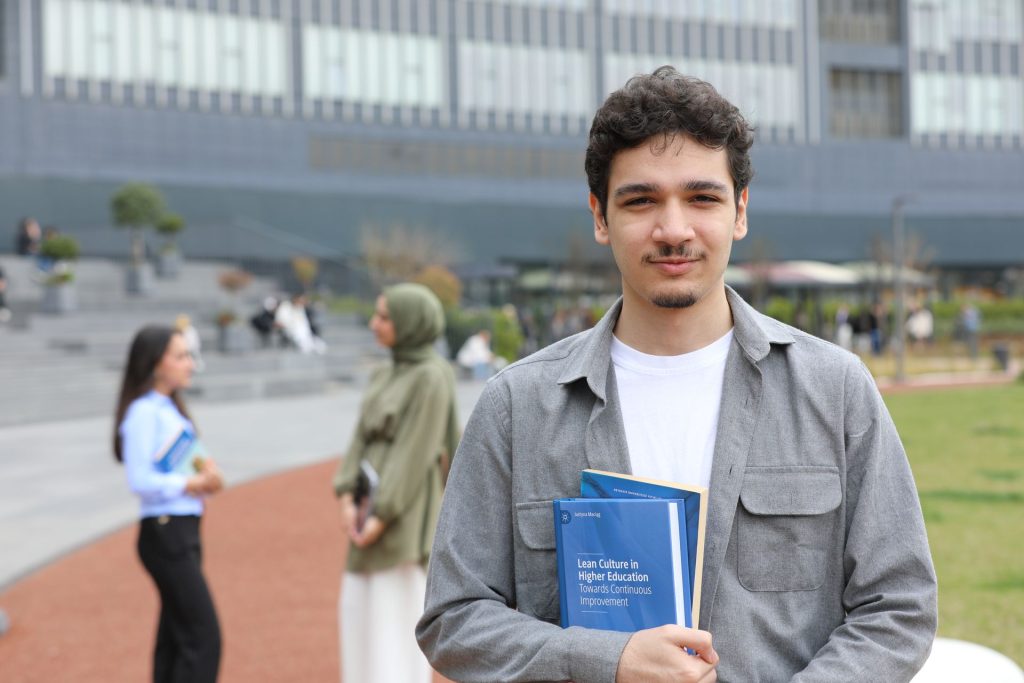
For Egyptian students, Turkey has become one of the most attractive destinations for higher education. The combination of geographic proximity, cultural familiarity, and world-class universities makes it a logical and highly rewarding choice. Currently, there are approximately 12,000 Egyptian students studying in Turkish universities, and this number is expected to grow significantly in the coming years .
One of the main reasons for this surge in popularity is the high level of competition and the strict score requirements within the Egyptian public university system. Many brilliant students who narrowly miss the Thanaweya Amma cutoff for Medicine, Dentistry, or Engineering in Egypt find excellent, affordable alternatives in Turkey’s private universities.
If you are an Egyptian student or parent considering this path, this 2026 guide will provide you with all the necessary information. We will cover the specific Thanaweya Amma requirements, the real costs (including estimates in Egyptian Pounds), and the step-by-step admission process.
Why Egyptian Students Choose Turkey
Turkey offers several unique advantages tailored specifically to the needs of Egyptian families.
1. Flexible Thanaweya Amma Admission
In Egypt, securing a spot in a medical or engineering faculty requires near-perfect Thanaweya Amma scores. Turkish private universities offer a more flexible approach. They accept the Thanaweya Amma certificate directly, and the minimum required scores are much more accessible. This allows students to pursue their dream careers without the intense pressure of the Egyptian national coordination system (Tansik).
2. Cultural and Religious Comfort
For Egyptian families, sending a son or daughter abroad can be stressful. Turkey offers peace of mind. As a Muslim-majority country, halal food is the standard, mosques are everywhere, and the cultural values regarding family and community are very similar to those in Egypt. The transition is much smoother than moving to a Western European country.
3. Geographic Proximity
Turkey is very close to Egypt. A direct flight from Cairo or Alexandria to Istanbul takes only about two hours. This proximity makes it easy and affordable for students to visit home during holidays, and for parents to visit their children.
4. High-Quality, Accredited Education
Turkish universities are part of the European Higher Education Area (Bologna Process). This means a degree obtained in Turkey is recognized across Europe and the Middle East, including by the Supreme Council of Universities in Egypt.
(Internal Link Suggestion: Read our overarching [Study in Turkey for African Students: Complete Guide] for a broader view of the benefits of Turkish education.)
Thanaweya Amma Admission Requirements
Applying to a Turkish private university is a straightforward process for Egyptian students. You do not need to take the Turkish national exam (YÖS) if you are applying to private universities; your high school certificate is sufficient.
Minimum Score Requirements
While requirements vary slightly from one university to another, the general minimum Thanaweya Amma scores for Egyptian students applying to Turkish private universities are:
- Medicine (Human Medicine): Minimum 80%
- Dentistry: Minimum 78%
- Physiotherapy: Minimum 76%
- Pharmacy: Minimum 72%
- Engineering and Computer Science: Minimum 65% to 70%
- Business, Arts, and Humanities: Minimum 50% to 60%
Note: These are minimum requirements. For highly competitive universities, higher scores will increase your chances of admission and your eligibility for tuition discounts.
Required Documents
To begin your application through StudySehir, you will need to prepare the following documents:
- Thanaweya Amma Certificate: Translated into English or Turkish.
- Transcript of Grades: Detailing your scores in specific subjects.
- Valid Passport: A scanned copy of the data page.
- Personal Photo: A recent passport-sized photograph.
5.English Proficiency Certificate: (Optional) If you have an IELTS or TOEFL score, submit it. If not, you will take the university’s English proficiency exam upon arrival in Turkey.
Cost of Studying in Turkey for Egyptians
Understanding the financial commitment is crucial. We will break down the costs in US Dollars (USD), as Turkish universities charge international students in USD. We will also provide approximate equivalents in Egyptian Pounds (EGP), though you must account for currency fluctuations.
University Tuition Fees
The cost depends heavily on the major you choose. Here are the average annual tuition fees at Turkish private universities for the 2026 academic year:
| Major | Annual Tuition (USD) | Approximate EGP (Subject to change) |
| Medicine (English) | $15,000 – $25,000 | 720,000 – 1,200,000 EGP |
| Dentistry (English) | $12,000 – $20,000 | 576,000 – 960,000 EGP |
| Pharmacy | $7,000 – $12,000 | 336,000 – 576,000 EGP |
| Engineering / IT | $3,000 – $7,000 | 144,000 – 336,000 EGP |
| Business / Arts | $2,500 – $5,000 | 120,000 – 240,000 EGP |
Note: The EGP estimates are based on an approximate exchange rate and will fluctuate. Always calculate your budget based on the USD tuition fee.
Living Expenses
The cost of living in Turkey is very reasonable compared to Europe. An Egyptian student should budget approximately $400 to $600 per month to cover accommodation, food, transportation, and personal expenses.
Many Egyptian students choose to live in shared apartments with other Arab students in areas like Fatih, Şirinevler, or Başakşehir in Istanbul, which helps reduce rental costs and provides a strong community feel.
(Internal Link Suggestion: For a detailed breakdown of daily expenses, read our guide on the [Cost of Living in Turkey for International Students].)
Scholarships and Discounts for Egyptian Students
While public universities are very cheap, they are difficult to enter and require the YÖS exam. For private universities, Egyptian students have two main avenues for financial support.
1. Türkiye Scholarships (Türkiye Bursları)
The Turkish government offers fully funded scholarships that cover tuition, accommodation, and a monthly stipend. However, this program is highly competitive. Egyptian applicants need exceptionally high Thanaweya Amma scores (usually above 90% for general programs and above 95% for Medicine) and a strong extracurricular profile to be considered.
2. Private University Discounts via StudySehir
A more reliable route for financial aid is through agency discounts. Because StudySehir partners directly with top Turkish private universities, we can secure significant tuition discounts for Egyptian students based on their Thanaweya Amma scores. In many cases, we can help you get up to 50% or even 75% off the listed tuition price for engineering, business, and humanities programs.
(Internal Link Suggestion: Learn more about [How to Get Up to 75% Tuition Discounts at Turkish Private Universities].)
The Admission and Visa Process
The journey from Egypt to Turkey is relatively simple if you follow the correct steps.
Step 1: Document Evaluation
Send your Thanaweya Amma results and passport copy to StudySehir. Our Arabic-speaking advisors will evaluate your scores and suggest the best universities that match your budget and desired major.
Step 2: Securing Conditional Acceptance
We apply on your behalf. Within a few days to a week, the university will issue a Conditional Acceptance Letter.
Step 3: Paying the Initial Deposit
To secure your seat, you must transfer an initial deposit (usually around $1,000) directly to the university’s bank account in Turkey. This amount is deducted from your total tuition fee.
Step 4: Final Acceptance and Visa Application
Once the deposit is paid, you receive your Final Acceptance Letter. You will use this letter to apply for your student visa at the Turkish Embassy in Cairo or the Consulate in Alexandria.
Step 5: Travel and Registration
After receiving your visa, you travel to Turkey. StudySehir’s team in Istanbul can assist you with the final university registration, finding accommodation, and applying for your Student Residence Permit (İkamet).
Frequently Asked Questions (FAQs)
Can I study in Turkey with an Azhari secondary certificate?
Yes, Turkish private universities accept the Al-Azhar secondary school certificate just like the general Thanaweya Amma. The minimum score requirements are generally the same.
Do I need to take the YÖS exam?
If you are applying to a private university, you do not need the YÖS exam; your Thanaweya Amma is enough. However, if you want to study at a public (state) university, you must take the TR-YÖS exam.
Are Turkish medical degrees recognized in Egypt?
Yes, degrees from Turkish universities accredited by the Turkish Council of Higher Education (YÖK) are generally recognized by the Supreme Council of Universities in Egypt. However, it is always recommended to verify the specific university’s status with the Egyptian authorities before enrolling, especially for medical fields.
Can I study in English, or must I learn Turkish?
You can complete your entire degree in English at most private universities. However, if you are studying Medicine or Dentistry, you will need to learn Turkish during your clinical years (years 4, 5, and 6) to communicate with patients in the hospitals.
Is it easy to find halal food and mosques?
Absolutely. Turkey is a Muslim-majority country. All food in restaurants and university cafeterias is halal, and there are mosques and prayer rooms everywhere, including on university campuses.